
Handles or No Handles? What’s the Best Option for Your New Cabinets?
You’ve picked your cabinet colour, selected the perfect benchtop, and chosen finishes that tie everything together. Almost. Then comes the question that stops many renovations in their tracks: handles or no handles?
It seems like a small choice, but it’s one that dramatically affects the look, feel, and function of your space. Do you embrace the classic appeal and endless style options of handles? Or lean into the sleek, modern aesthetic of handleless cabinetry?
Both have their strengths and limitations. We’re breaking down everything you need to know about each option, from cost and practicality to aesthetics and long-term maintenance, so you can make the right call for your home and lifestyle.
Why Handles Still Reign Supreme
Handles, whether knobs, bar pulls, or recessed rails, have stood the test of time. Their enduring appeal goes far beyond tradition.
Style Variety and Personality
Handles are one of the easiest and most affordable ways to inject personality into your cabinetry. The range of finishes is nearly endless. There’s brushed brass, matte black, antique bronze, leather, timber, and even custom-made artisan pieces. Whether your style leans coastal, Hamptons, industrial, or classic, there’s a handle to match.
Better yet, handles can help unify a space. Coordinating your cabinetry hardware with fixtures like taps, light fittings, or appliances brings cohesion and polish to your design.
Functional and User-Friendly
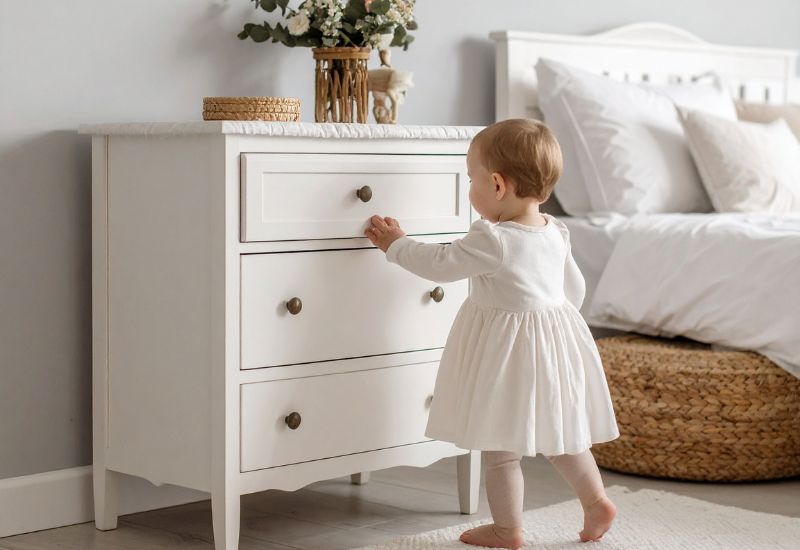
Handles are also a win in terms of functionality. They offer a clear grab point that makes doors and drawers simple to open. This is especially beneficial for:
- Children
- Elderly family members
- Anyone with arthritis or reduced hand strength
Low-Cost and Easy to Update
Handles tend to be more affordable and easier to install than their handleless counterparts. Plus, they’re easy to change if you want to update the look of your kitchen in a few years, without having to touch the actual cabinetry.
The Case for Handleless Cabinetry
On the flip side, handleless cabinetry has carved out a strong presence in modern design. The appeal is rooted in clean lines and minimalist sophistication.
Sleek, Seamless Aesthetic
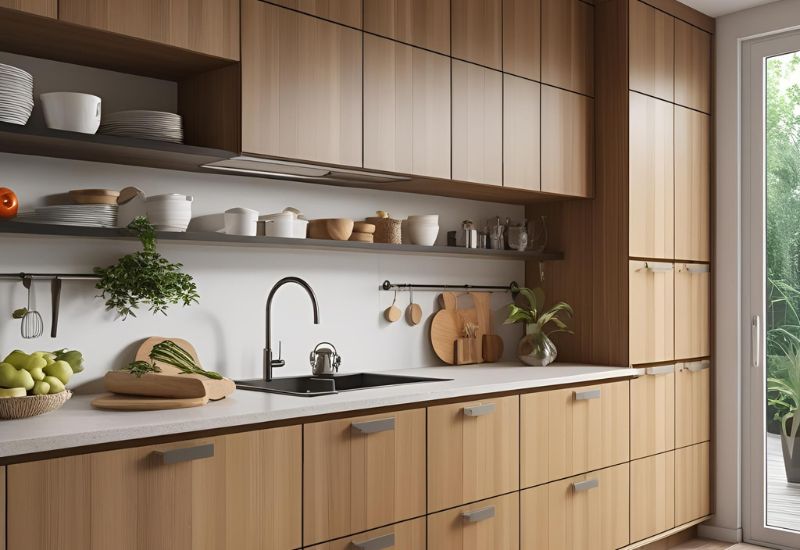
Removing handles entirely allows for uninterrupted surfaces that create a contemporary, streamlined look, especially appealing in open-plan living spaces where the kitchen needs to integrate seamlessly with the rest of the home. If you’re inspired by European kitchen design, handleless cabinetry is a signature element.
Two Main Types of Handleless Systems
1. Finger Pulls (Integrated Channels)
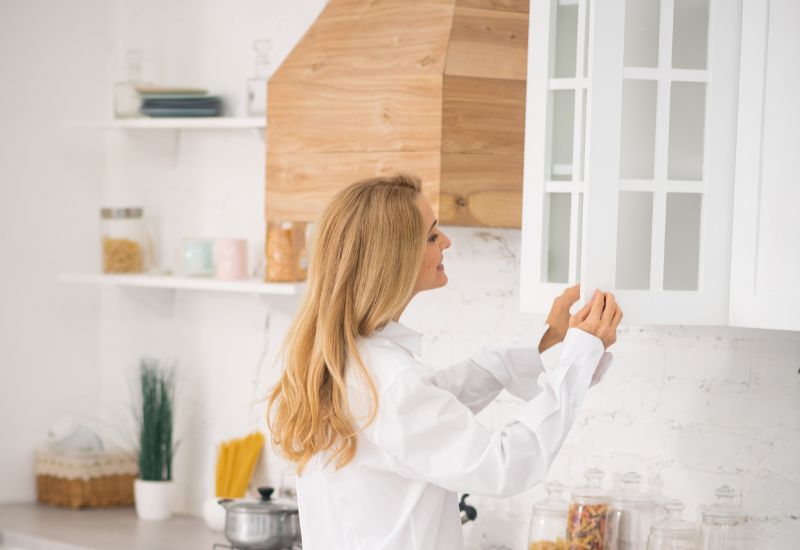
This method involves a recessed lip at the edge of the cabinet or drawer that lets you pull it open manually. It’s elegant and low-profile, but has some trade-offs:
- Slightly reduces internal cabinet space due to the built-in channel
- Involves more complex joinery and a higher price point
- Can collect crumbs and dust, requiring regular cleaning
2. Push-to-Open Hardware
Push-to-open systems let you open cabinets with a gentle tap. No grooves, no handles, just pressure-activated mechanisms. While visually striking, they come with considerations:
- Mechanisms may loosen over time and need adjusting
- Heavier doors may open unintentionally if bumped
- Can be tricky for young children or people unfamiliar with the system
The Best of Both Worlds: Handleless Overheads
One smart compromise many designers and homeowners love? Handleless overhead cabinets combined with traditional handles on base cabinets.
For overheads, doors are designed to extend about 20 mm below the cabinet base, allowing you to grip the underside to open. This trick maintains a sleek appearance without sacrificing functionality or inflating your budget.
It’s a cost-neutral, clever solution that offers modern aesthetics where you see it most, without complicating access where you need strength and leverage.
Cost Comparison: Handle vs. Handleless
Price is a major factor in the handle debate. Here’s what you can expect:
- Handles: Budget-friendly, wide price range, easy DIY or low-labour installation.
- Handleless Finger Pulls: Requires precise joinery; adds 10–20% to the cost of your kitchen in many cases.
- Push-to-Open Systems: Adds both hardware cost and labour; may also require regular maintenance.
If you’re designing a high-traffic family kitchen or want to keep costs under control, traditional handles are a safer bet. If you’re creating a show-stopping space and are happy to invest, handleless options add undeniable flair.
Practical Pros and Cons
| Feature | Handles | Handleless |
|---|---|---|
| Ease of Use | Simple for all ages | May require getting used to |
| Aesthetics | Flexible styles | Seamless and modern |
| Cost | Budget-friendly | Typically higher |
| Maintenance | Easy to clean | Grooves may collect debris |
| Safety | Protrudes slightly | Flush surface, no bumps |
| Longevity | Durable and replaceable | May need hardware servicing |
Which Should You Choose?
Here’s a quick guide:
- Choose handles if you value function, flexibility, and affordability. They suit any interior style and make life easier for all age groups.
- Go handleless if you’re after a modern, sleek look and don’t mind the higher cost or occasional maintenance.
- Consider a hybrid solution to balance beauty and practicality without breaking the bank.
Choosing between handles and handleless cabinetry isn’t always easy. Both options have their charm, and the best choice often comes down to how you live, what you love, and the kind of statement you want your space to make.
Magri Cabinets is here to help you get it right. Our team offers expert guidance, tailored solutions, and craftsmanship you can rely on to create a space that looks stunning and functions beautifully in everyday life.
We design and build custom kitchens, bathroom vanities, wardrobes, and feature joinery that elevate your home with purpose and style.
Let’s bring your ideas to life. Contact us and see how Magri Cabinets can make your next project seamless from start to finish.


Magri Cabinets Assistant
Online • Craftsman Expert